
Golf Coach Mentoring & Development
You want to teach golf and have fun with it…
Knowing how to play golf is not the same as knowing how to teach it.
Many talented players move into coaching when injury, financial pressure, family commitments or results take them away from a competitive career. They still love golf and want to build their future within the game.
But becoming a good teacher requires a different approach.
As a competitor, your own performance comes first. As a teacher, your student’s development comes first.
A player spends years discovering what works for their own game. A teacher must understand why something works for one person but not another. Knowledge that once gave you a competitive advantage now becomes something to share — in a way your student can understand and use.
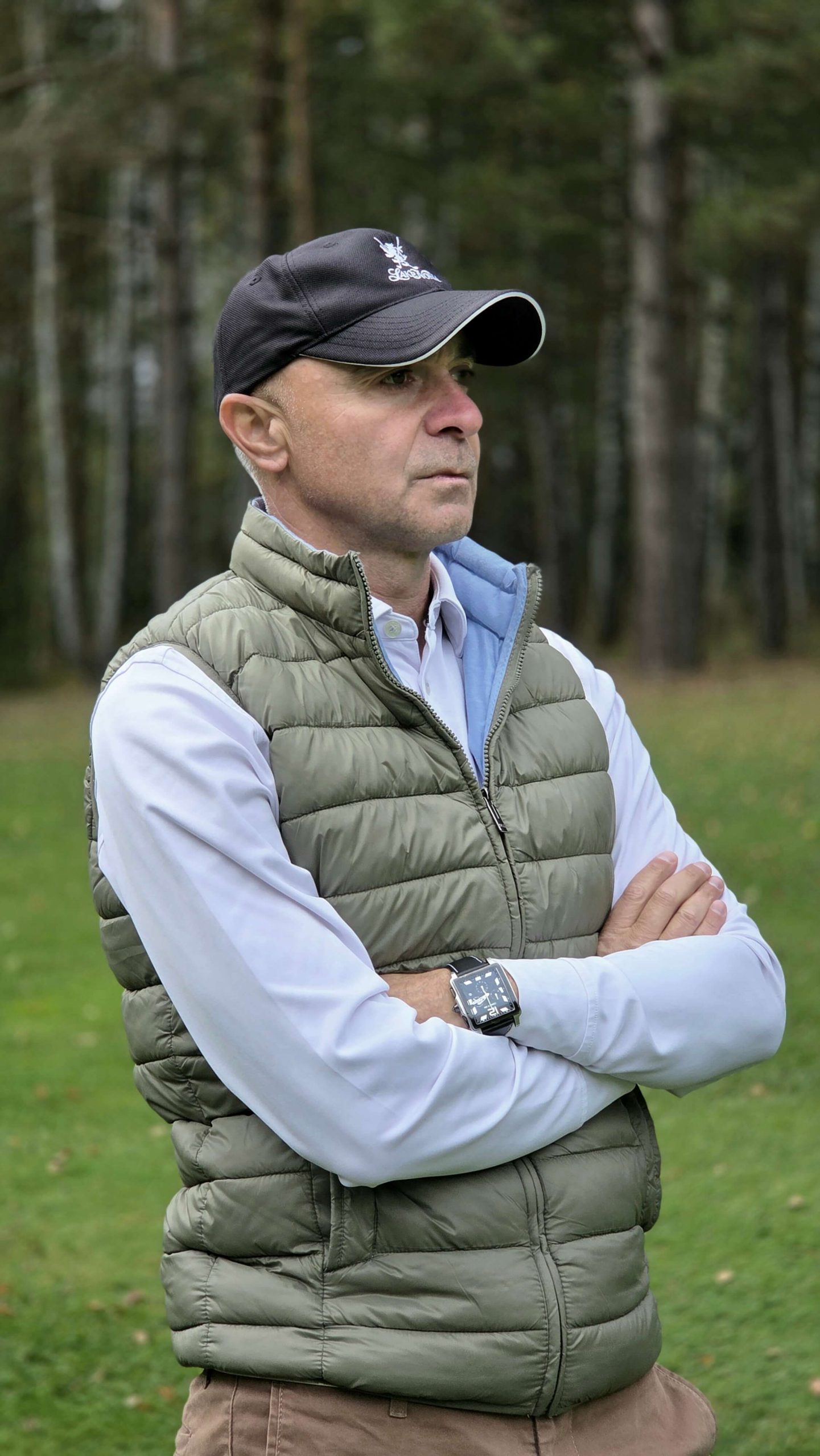
I help golf professionals develop that ability through seminars, practical workshops and ongoing mentoring, drawing on 30 years of professional coaching experience.
Your difficulties can become valuable teaching knowledge.
Some players build their game with clear guidance and strong foundations. Others spend years searching for answers, changing their technique and exploring the mental side of golf.
That difficult journey can become an extraordinary education for a future teacher.
You know how it feels to practise without improving, struggle with an instruction or lose confidence when another correction creates another problem.
When you understand what went wrong, why it happened and what helped, your experience becomes something you can use to help another player.
The next step is learning which parts of that experience apply to the person in front of you — and how to turn them into effective teaching.
See the mistake. Find where it begins.
The mistake you notice may be the tenth link in the chain. The work may need to begin at the first.
One incorrect movement can create a series of mistakes and compensations. Correcting only the most visible error can leave the original cause untouched. It can also remove a compensation the player still needs.
I teach coaches to recognise these connections, find where the problem begins and choose the right order of corrections.
We work on what to change, what to leave alone and which explanations or exercises will help the player build sound swing geometry.
You need to understand what to change, why, how and in which order.
Give beginners foundations they can keep building on.
I have developed a teaching method for approximately the first two months of learning golf. It provides a simple sequence for building the essential foundations of swing geometry, helping beginners start playing without overwhelming them with unnecessary information.
For the teacher, it gives a clear direction. For the student, it makes the first steps easier to understand and practise.
The challenge isn’t how much information you give a beginner. It’s knowing exactly what they need — and when they need it.
Habits formed in the first lessons can be difficult to change later. Good early teaching gives both the student and the coach a foundation they can continue building on.
Understand what the student thinks and feels.
Two golfers can make the same visible mistake for entirely different reasons. The same explanation may help one and confuse the other.
What you explain, what your student understands and what they actually feel can be three completely different things.
A student may understand your words in their own way and try to make a movement you never intended.
I place strong emphasis on psychology, perception and feelings: asking useful questions, listening carefully and discovering what the player is actually trying to do.
Sometimes progress begins with a clearer thought. Sometimes it takes an exercise that helps the student feel something they have never understood before.
You can read more about this approach in Unlock Your Golf Potential.
Practical learning you can use in your own lessons.
Our work can focus on a particular teaching problem, beginner methodology or your wider development as a coach.
We can observe players together, discuss what we see, choose a starting point and work through the teaching process. The student’s response helps us evaluate our decisions and understand what to do next.
The purpose is to develop your own observation, judgement and ability to explain — so you can teach with greater confidence and independence.
These programmes are suitable for:
Former competitive players who want to turn their playing experience into effective teaching expertise.
Golf professionals who feel uncertain or frustrated in their lessons and want greater understanding, confidence and enjoyment in their work.
Experienced coaches who want to strengthen their diagnostic skills, improve their teaching methods or explore difficult coaching situations.
Golf clubs, organisations and associations that want to develop their teaching teams and raise the quality of instruction they provide.
Seminars, workshops and regular mentoring can be arranged around the participants’ experience and goals. Together, we agree on the content, format, location and duration.
When you understand what is happening, know where to begin and see your student move forward, teaching becomes more rewarding — for both of you.